Crime Scene Cleanup
Crime scene cleaning begins after police release and covers blood, odor and the affected property.
See crime scene cleanupGet blood, bodily fluids, contaminated materials and odor removed after investigators release a home, rental, business or vehicle in Davidson County. The cleanup scope is based on where contamination traveled.
Homicide cleanup is a specialized form of crime scene cleanup that removes blood, bodily fluids and other contaminated materials after investigators finish their work and release the property.
The investigation is the responsibility of law enforcement and the medical examiner, not property cleaning. A relative, landlord, owner or other person with authorization can arrange homicide cleaning once officials have released the scene.
The cleanup process goes beyond ordinary cleaning services. Cleanup technicians locate contamination in the affected area and surrounding areas, protect unaffected rooms, remove materials that cannot be disinfected and treat cleanable surfaces. The work also includes hazardous waste packaging, waste disposal, odor removal and records for an insurance company when requested.
Before any removal choice, salvageable personal property is set aside and discussed with you.
When discussing the loss with property owners and insurance companies, you can use photos, inventories, scope notes and disposal paperwork.
Ask which materials can be cleaned, which need removal, how waste exits the site and what the restoration stage will include.
To help preserve your privacy during a painful time, you may ask for unmarked vehicles and restrict access to authorized people.
A homicide cleaning service is needed if a violent death leaves biological material or blood in a vehicle, business, rental or home. Situations that commonly require this work include:
An assessment of seats, insulation, trim and carpet identifies what may remain after cleaning and what needs removal.
A visible blood mark can extend beneath flooring and behind trim, so wiping only the surface is insufficient.
A bedroom, hall, living area and surrounding exposed surfaces may all require blood cleanup after the event.
Because blood and tissue may affect ceilings, furniture, walls, hidden joints and carpet, every travel path must be located.
Respect for the investigation comes first. You should also avoid exposure and retain details that may be useful for a claim. Before cleanup technicians enter, take these steps:
Call (888) 440-9227Available homicide cleanup cost guides put violent crime scenes in the $2,500 to $9,000 range. They place smaller scenes in a range from $2,000 to $6,000 and larger scenes between $3,000 and $10,000 based on their published figures. These are planning ranges rather than a quote. An assessment determines the final scope.
These national ranges are taken from published cost guides, rather than a property visit. You learn what your property will cost after the on-site assessment and before any work begins.
Ask about cost: (888) 440-9227Insurance may pay toward homicide cleanup through a commercial, homeowners or renters policy. Coverage is determined by the loss, the policy and its deductible.
Victims of violent crime can ask the Tennessee Treasury Department's Criminal Injuries Compensation Program about crime scene cleanup, which it can help with when the crime happened in a victim's home. Insurance is usually checked first.
The lease, local law, property ownership and policy terms can affect who arranges work and who pays. Landlords and tenants should each speak with an insurer.
Find out which waste documents, photographs, item inventories, invoices and scope records the insurance company requires. Make copies of all materials before submission.
After the scene is released by police, inform the insurer about the loss. Ask about policy coverage for biohazard cleanup, affected construction materials and the restoration phase.
After scene release, a controlled order guides the remediation work. Each step reflects how far contamination went, which items can remain and the waste rules that govern the material.
After the authorized person points out known affected areas, technicians examine floor edges, belongings, adjacent surfaces and potential travel routes.
The cleanup area is isolated from unaffected rooms. Suitable personal protective equipment and controls help cleanup technicians limit the movement of contamination outside the scene.
Visible blood and bodily fluids are collected with methods suited to each surface before detailed cleaning and disinfection begin.
Carpet, pad, drywall, upholstery or subfloor that cannot be fully disinfected is removed in the smallest practical area.
Cleanable surfaces receive detailed scene cleaning, followed by an EPA-registered disinfectant kept wet for the label contact time.
With the source removed, remaining materials, adjoining areas and the room air may receive air filtration and targeted odor treatment.
After contaminated waste is sealed and labeled, it is moved in accordance with applicable requirements and available disposal records are retained.
The completed scope is reviewed, saved personal property is returned as agreed and removed finishes are listed for restoration services.
You can call anytime. Your homicide cleanup specialist answers the phone, describes what happens next and works with you on a start time.
Blood, other bodily fluids and contamination hidden from view may create serious health risks. A dry appearance or a visibly small area does not remove those concerns.
Fluids may travel into carpet padding, joints, grout, walls and the subfloor. Wiping what you can see leaves contamination within material below the surface or behind it.
Hepatitis C, HIV and hepatitis B may be present in blood. Hepatitis B can live on surfaces for at least seven days, the CDC says, which makes controls necessary even for dry blood.
Seeing the affected space can cause loved ones deep distress. Professional cleanup lets family members avoid direct contact with the affected space and personal property.
Can you clean it yourself? For a minor fresh blood spot on solid material that does not absorb fluids, wear disposable gloves and apply an EPA-registered disinfectant throughout the contact time stated on its label. If blood reached carpet, wood, fabric, drywall or an area with unclear edges, keep away and seek professional cleanup.
Porous material usually comes out after it absorbs blood. Non-porous surfaces can often be kept, provided that every exposed section is accessible and can be disinfected.
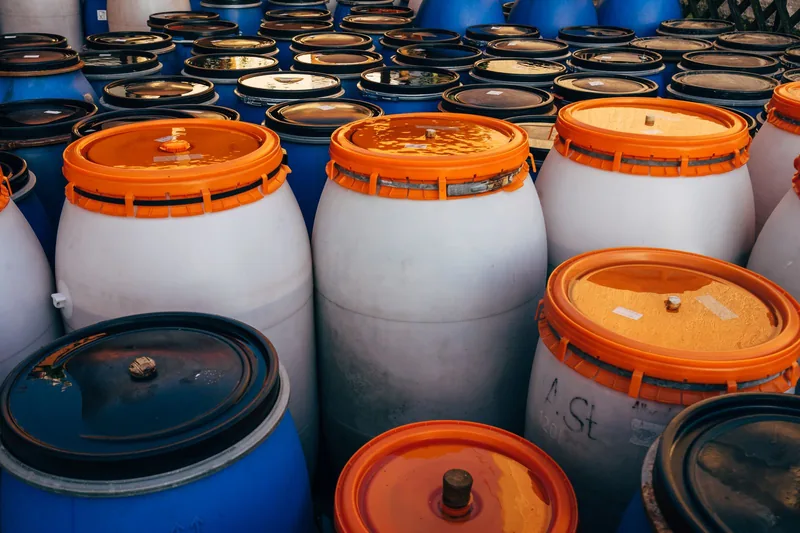
The schedule depends on scene size, the depth of contamination, the number of rooms, scene access and the amount of material that must be removed. You can get a more useful timeline after the initial assessment.
| Scene | Typical time on site |
|---|---|
| Limited affected area with accessible surfaces | Work schedule established following release and assessment |
| Porous material removal within one room | May involve cleanup followed by restoration as another phase |
| Several rooms or structural contamination | Typically requires work in stages followed by a longer restoration |
Odor cannot be corrected with fragrance alone when fluids remain absorbed in drywall, hidden cavities, carpet, furniture or subfloor. The source must be located and removed first.
Once contaminated materials are gone, airborne particles can be filtered with HEPA air scrubbers. Hydroxyl treatment is an option for occupied spaces when permitted by equipment instructions. Ozone treatment needs an empty area and strict controls. Before you proceed, the cleaning process may also involve inspecting neighboring rooms and vents.
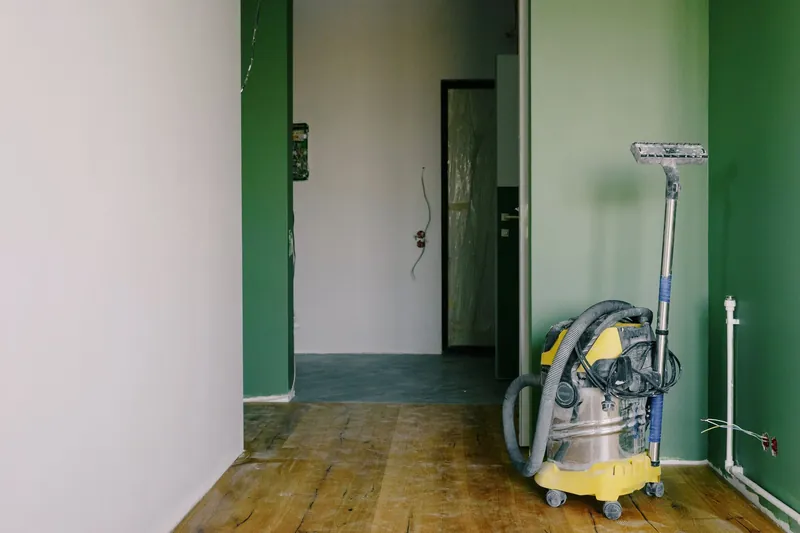
The full homicide cleanup guide covers what is cleaned or removed, odor and air quality work, and the rules that apply in your state.
Read the full homicide cleanup guideLocal housing, population and access details can shape containment, access and cleanup planning.
The nearest listed emergency facility is Tristar Southern Hills Medical Center, about 3.1 miles away, so medical care remains separate from property cleanup.
Connections to Presidents Reserve, Brenton Park, and fredericksburg-townhomes make a precise address important for coordinating cleanup access without unnecessary neighborhood attention.
A cleanup plan for this neighborhood should account for adjacent homes or units when setting odor control and containment boundaries.
You can ask about cleanup in nearby communities and ZIP codes during the call.
Crime scene cleaning begins after police release and covers blood, odor and the affected property.
See crime scene cleanup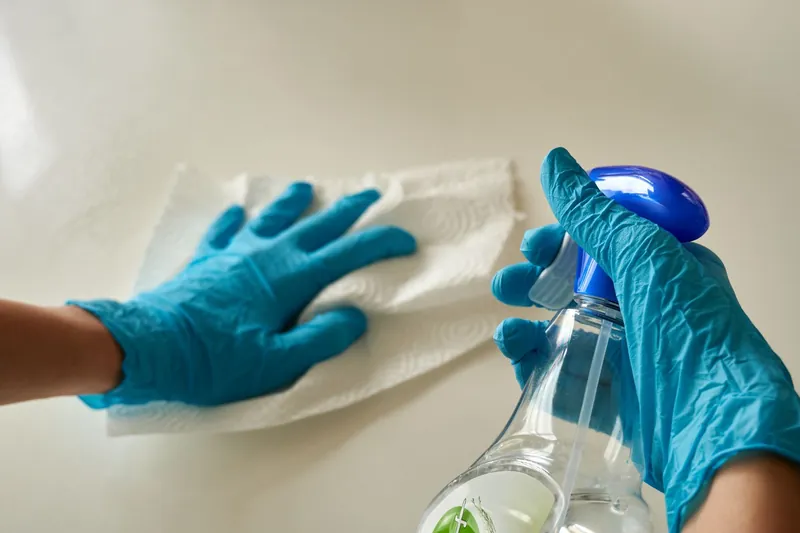
Blood cleanup clears blood from furniture, walls, hard floors and carpet, followed by safe disposal.
See blood cleanup
Trauma scene cleanup after accidents, injuries and violent events.
See trauma scene cleanup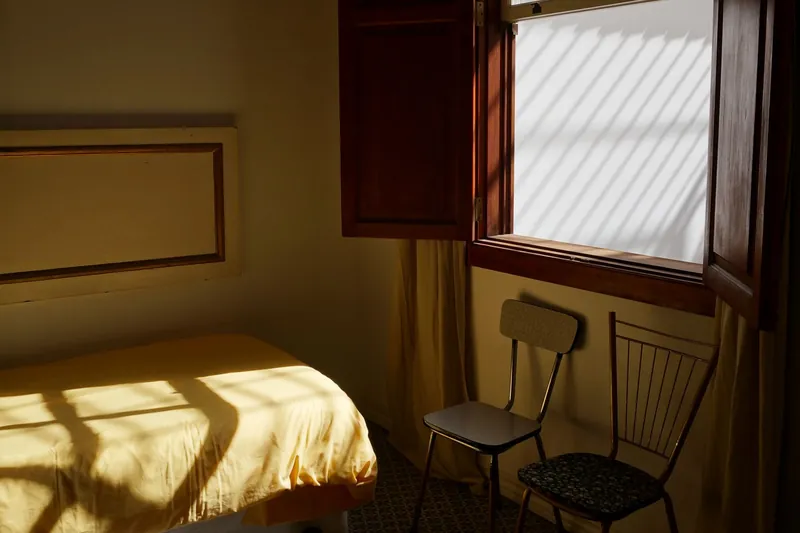
Cleaning a home after someone dies, including fluids, odor and affected belongings.
See death cleanup
Families are spared from facing the scene through discreet and considerate suicide cleanup.
See suicide cleanup
Decomposition cleanup and odor control are needed after a death goes unnoticed for several days.
See unattended death cleanup
Forensic cleaning of blood also covers investigation residue, tissue and fingerprint powder.
See forensic cleaning
Death odor removal targets the source through ozone treatment, hydroxyl and air scrubbers.
See death odor removalFirst, cleanup technicians identify the affected area and establish containment around it. Technicians wearing protective gear collect visible material, remove porous items that cannot be disinfected, clean remaining surfaces and apply an EPA-registered disinfectant for its label contact time. They then package hazardous waste and check the completed scope.
Property outside the contaminated space can either be covered in place or transferred into a clean room. Scene property is evaluated item by item. Cleaning may work for hard, non-porous items. Absorbent items may require removal, but decisions about keepsakes, records and photographs should first be reviewed with you.
Each falls under death cleanup and trauma scene cleanup, yet the conditions may not be the same. Until law enforcement releases a homicide scene, it stays under official control and may contain residue from evidence processing. An unattended death often involves decomposition and wider odor concerns because time passed before the person was found.
Both authorities must clear the property first: law enforcement and the medical examiner. A relative, landlord, manager or owner with authority can then arrange cleanup. Homicide cleaners may address hazardous waste removal, odor control, disinfection, blood cleanup and biohazard remediation. Police examine the scene, but completing the cleaning service is not their responsibility.
A homeowners policy might pay for homicide scene cleanup or death cleanup, but coverage varies according to policy language, exclusions, the event and the deductible. Contact the insurer before work begins. Ask the insurer about required documentation, biohazard cleanup, damaged materials, personal property and restoration before work starts.
Some or all covered expenses may be paid after the deductible, although terms vary for every policy and every situation. Share claim facts with the insurance company, then ask how the policy addresses restoration, building materials, biohazard cleanup and emergency response work. Keep photos, scope notes, invoices and disposal records.
You can request respectful, discreet homicide cleanup 24 hours a day, and crews use unmarked vehicles.